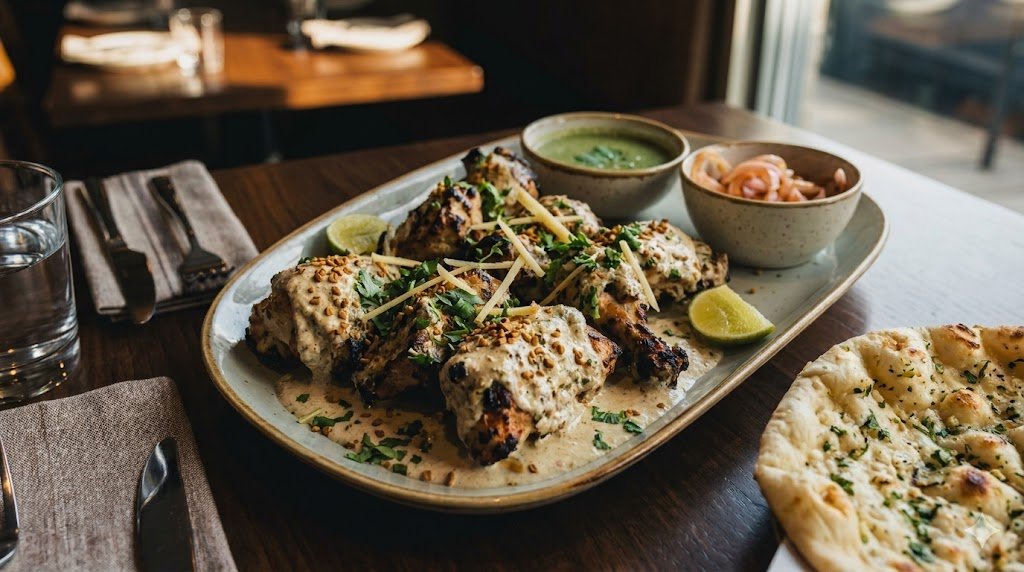
Creamy Chicken Afghani: The Easiest Restaurant-Style Delight at Home

Authentic Afghani chicken

If you’re a regular at RecipeBuzz!, you know we chase those bold, velvety flavors that make Indian-inspired cuisine so unforgettable. If you’ve ever sat down at a restaurant and been mesmerized by a platter of succulent, charred, and impossibly creamy chicken, you’ve likely met the legendary Chicken Afghani. While it often looks like a complicated dish reserved for professional chefs, I’m here to tell you that it is actually one of the easiest, most rewarding recipes you can master in your own kitchen.

Why You Should Try It

Chicken Afghani is the ultimate “low-effort, high-reward” dish, making it the perfect starting point for any beginner cook who wants to impress family or guests. Unlike complex gravies that require hours of slow-cooking, this recipe relies on a simple, luscious marinade of yogurt, cream, ginger-garlic paste, and a blend of aromatic spices like kasuri methi and garam masala. It’s a dish that proves you don’t need an industrial kitchen or years of experience to achieve that perfect, melt-in-your-mouth tenderness. By making it at home, you skip the heavy oils often found in takeout and ensure your chicken is fresh, juicy, and perfectly spiced to your liking.

A Glimpse into History

While the name points to Afghanistan, this version of the dish has become a quintessential part of the North Indian and Mughlai culinary landscape. Historically, these flavors trace back to the Silk Road, where techniques of slow-charring meat and using rich, creamy infusions were perfected over generations. Over time, these traditions traveled through the frontiers, evolving into the milder, fragrant, and decadent “Afghani” style we love today—a beautiful testament to how food bridges cultures and generations.

Ingredients You Will Need

Click on the ingredients to add them to your Amazon cart!

The Method

  1. Marinate: In a bowl, whisk together the curd, cream, cashew paste, ginger-garlic paste, salt, pepper, garam masala, and kasuri methi. Coat the chicken pieces thoroughly and let them sit for at least 30 minutes (or up to 2 hours for maximum flavor).
  2. Sear: Heat a pan with a little butter or oil over medium-high heat. Place the chicken pieces in the pan, making sure not to overcrowd them.
  3. Cook: Sear the chicken until it gets those beautiful golden-brown char marks on both sides, then cover and cook on low heat until the meat is tender and fully cooked through.
  4. Finish: If you have any leftover marinade, pour it over the chicken in the last few minutes to create a rich, coating sauce. Serve hot with naan or roomali roti!

RecipeBuzz! – Where real flavors meet real kitchens. Try this at home, take a pic, and tag us on Instagram @RecipeBuzzIN!

Mumbai Street-Style Mutton/Chicken Kheema Pav: India’s Ultimate Comfort Food

kheema pav

If you’re a regular at RecipeBuzz!, you know we chase those bold, street-side flavors that make Indian food unforgettable. Mutton or chicken kheema pav reigns as India’s top street food pick—spicy minced meat gravy piled into buttery pav buns, straight from Mumbai’s Irani cafes and Chowpatty stalls. This authentic recipe delivers that vendor magic in your home kitchen, ready in under 45 minutes.

Why Kheema Pav Tops the Charts

Kheema pav blends Parsi roots with Maharashtrian spice, featuring juicy mince, peas, and fresh herbs for a gravy that soaks perfectly into soft pav. Choose mutton for richer depth or chicken for quicker cooks—both pack protein and pair with chai for breakfast, snacks, or dinners. At RecipeBuzz!, we’ve tailored it for busy home chefs craving that spicy, slurpy bite.

If you’re a regular at RecipeBuzz!, you know we chase those bold, street-side flavors that make Indian food unforgettable. Mutton or chicken kheema pav reigns as India’s top street food pick—spicy minced meat gravy piled into buttery pav buns, straight from Mumbai’s Irani cafes and Chowpatty stalls. This authentic recipe delivers that vendor magic in your home kitchen, ready in under 45 minutes.

Why Kheema Pav Tops the Charts

Kheema Pav 

Kheema pav blends Parsi roots with Maharashtrian spice, featuring juicy mince, peas, and fresh herbs for a gravy that soaks perfectly into soft pav. Choose mutton for richer depth or chicken for quicker cooks—both pack protein and pair with chai for breakfast, snacks, or dinners. At RecipeBuzz!, we’ve tailored it for busy home chefs craving that spicy, slurpy bite.

Garnish with raw onions, lemon squeeze, and chilies to mimic the beach shack vibe—your plate will vanish faster than at a Mumbai tapri.

Ingredients (Serves 4-5)

For the Kheema:

Click on the ingredients to add them to your Amazon cart!

For the Pav:

  • 8-10 pav buns
  • 2 tbsp butter
  • Pinch of red chili powder and salt

Prep Tip: Marinate mince with salt, turmeric, and ginger-garlic for 20-30 mins—locks in flavor as pros do.

Step-by-Step Instructions

Keema Pav 

  1. Bhuno the Base: Heat oil/ghee in a wide kadhai over medium high. Add whole spices and cumin; let them crackle (20 secs). Toss in onions; sauté till deep golden (8-10 mins).
  2. Build Masala: Add ginger-garlic paste and chilies; fry for 1 min till the raw smell fades. Stir in tomato puree, ground spices, and salt; cook till oil separates and masala thickens (7-10 mins). Splash water if sticking.
  3. Cook the Mince: Crumble in mince and peas; mix thoroughly to coat. Add ½ cup water, cover, and simmer. Mutton: 20-25 mins; chicken: 10-15 mins. Stir occasionally till gravy clings to meat (not watery).
  4. Finish with Herbs: Uncover, stir in all herbs, garam masala, and a butter knob for shine. Simmer for 2 mins uncovered. Taste—adjust spice or tang with lemon juice.
  5. Butter the Pav: Slit pavs halfway. Heat butter in a tava, sprinkle chili powder, and toast pavs cut-side down till crisp and golden (1-2 mins per side).

Total Time: 40-45 mins. Calories per serving: ~450 (mutton version).

Scoop hot kheema into pavs, top with onion-lemon-chili relish—pure street bliss!

RecipeBuzz! Pro Tips & Variations

  • Texture Secret: Freshly minced meat > store-bought; double dill for that signature green hue without color.
  • Make it Chicken-Only: Swap mutton, cut simmer by half—perfect for weeknights.
  • Storage Hack: Fridge extras up to 3 days; reheat with a splash of water. Freeze gravy for quick pav stuffers.
  • Boost It: Top with a fried egg or cheese for a fusion twist. Vegan? Use soya or plant mince.
  • SEO Keywords: Mumbai kheema pav recipe, mutton keema pav street style, chicken kheema pav easy, authentic Indian kheema pav home cooking.

Serve family-style with sirke wala pyaz (vinegar onions) and Irani chai—your table becomes a Mumbai stall.

RecipeBuzz! – Where real flavors meet real kitchens. Whip this up, snap a pic, and tag us on Instagram @RecipeBuzzIN. What’s your twist on kheema pav? Drop in comments

Authentic Mumbai-Style Prawns Koliwada: The Crispy Coastal Delight

Prawns koliwada dish

If you are looking to bring the iconic flavors of Mumbai’s Koliwada region into your home kitchen, look no further than these crispy, spice-marinated prawns. Famous for their fiery red hue and irresistible crunch, Prawns Koliwada is a classic street-food snack that pairs perfectly with a tangy green chutney and a squeeze of fresh lime.

The RecipeBuzz! Secret

At RecipeBuzz!, we believe that the secret to an authentic Koliwada experience lies in the double-marination technique and the balance between gram flour (besan) and rice flour. This combination ensures that the prawns stay succulent inside while developing a satisfying, crispy exterior that holds onto all those bold coastal spices.

Ingredients You Need

Click on the ingredients to add them to your Amazon cart!

Step-by-Step Preparation

Prawns Koliwada 

  1. Marination: In a large bowl, mix the prawns with salt, ginger-garlic paste, Kashmiri chilli powder, ajwain, and lemon juice. Let this sit for 20–30 minutes to allow the flavors to penetrate the meat.
  2. Batter Prep: In a separate bowl, whisk together the besan, rice flour, and a pinch of salt. Gradually add water until you get a thick batter that coats the back of a spoon without running off.
  3. Coating: Gently mix the marinated prawns into the batter, ensuring each one is evenly coated.
  4. Frying: Heat oil in a deep pan over medium-high heat. Carefully drop the prawns in small batches to avoid overcrowding. Fry for 3–5 minutes until they turn a beautiful golden-red and feel crispy to the touch.
  5. Serving: Drain on paper towels and serve immediately, garnished with fresh curry leaves and a generous sprinkle of chaat masala.

Pro Tips for RecipeBuzz! Chefs

For the best results, always pat the prawns dry before the first marination to ensure the spices stick well. If you have fresh curry leaves, tossing them into the hot oil during the final minute of frying adds an incredible aromatic finish that takes this dish to the next level. Enjoy these as a quick, crowd-pleasing appetizer that brings the heart of Mumbai directly to your dinner table!

RecipeBuzz! – Where real flavors meet real kitchens.

Make Authentic Vanilla Ice Cream at Home: Why Store‑Bought Just Isn’t Real Vanilla?

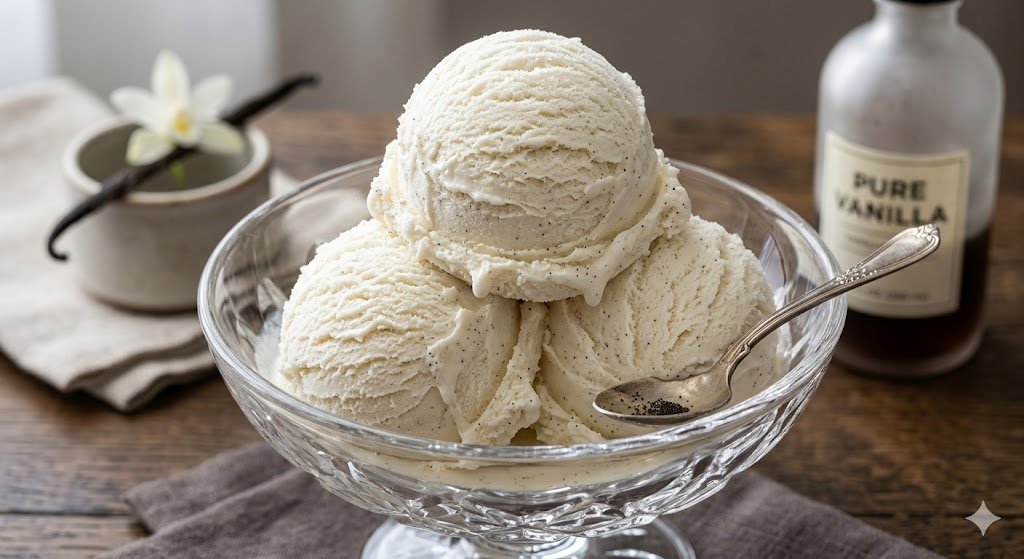
vanilla ice cream

If you’re a regular visitor to RecipeBuzz!, you know we’re all about real flavors and honest ingredients. So when it comes to vanilla ice cream, most of what you see on supermarket shelves doesn’t really deserve the name “vanilla.” It’s mostly sugar, cheap stabilizers, and a splash of artificial vanilla essence. In this article, I’ll show you how to make truly authentic vanilla ice cream at home—using real vanilla beans, rich dairy, and a custard-style method that gives you smooth, creamy scoops every time.


Why Most Vanilla Ice Creams Aren’t Real Vanilla

Before we jump into the recipe, let’s understand why so many brands disappoint you:

  • “Vanilla flavoring” ≠ real vanilla bean
    Most mass‑market ice creams use vanillin (the main chemical in vanilla, often synthesized) or highly diluted vanilla extract. You get a one‑dimensional sweetness with no depth, aroma, or lingering warmth of genuine vanilla.
  • Low‑quality base masked by flavor
    To cut costs, companies rely on powdered milk, vegetable oils, and heavy stabilizers. The vanilla flavor is added mainly to cover up the bland or artificial base, not to make a real vanilla dessert.
  • Real vanilla is rare; cheap essence is everywhere
    Genuine vanilla beans are expensive and slower to infuse. Brands buy bulk “vanilla flavoring” in liquid form, which often contains alcohol, propylene glycol, and artificial colors. What you taste is barely more than a label, not the real thing.

On RecipeBuzz!, we believe real ingredients deserve real attention. That’s why this homemade vanilla ice cream uses real vanilla beans (or high‑quality pure extract) and lets the flavor shine instead of hiding behind chemicals.


Why You Should Make Vanilla Ice Cream at Home

Making your own vanilla ice cream gives you:

  • True vanilla flavor from split beans or pure extract, not synthetic essence.
  • Full control over ingredients: no mystery stabilizers, no fake colors, no “natural flavors” you can’t actually pronounce.
  • Better texture because a properly aged custard base churned slowly yields creamier, less icy ice cream than industrial freezers.
  • Room to customize: add a pinch of salt, a splash of rum, or even a swirl of real caramel or chocolate.

In short, this recipe is vanilla ice cream the way it should taste: smooth, floral, warm, and indulgent—perfect to serve after a classic RecipeBuzz! curry or as a standalone dessert on hot Indian afternoons.


Ingredients for Authentic Vanilla Ice Cream (RecipeBuzz! Style)

(Makes about 4–5 servings)

Why these ingredients matter on RecipeBuzz!

  • Whole milk + cream gives a rich but balanced base that melts smoothly in the mouth.
  • Egg yolks create a custard that’s silky, not icy, and adds that luxurious mouthfeel you miss in store‑bought tubs.
  • Real vanilla (beans soaked and steeped) gives the deep, complex aroma that cheap essence can’t match.

Step‑By‑Step Method (Easy to Follow for Home Cooks)

1. Infuse the milk with real vanilla

  • Split 1–2 vanilla beans lengthwise and scrape out the tiny black seeds.
  • Add the seeds and pods to the milk and cream in a heavy saucepan.
  • Heat gently over medium until steaming and just about to simmer (do not boil).
  • Turn off the heat, cover, and let the mixture steep for 15–20 minutes.

This step is key: slow infusion pulls out the real flavor and fragrance of the vanilla, which is why your homemade version will taste richer than any tub labeled “vanilla.”

2. Prepare the custard base

  • In a bowl, whisk the egg yolks and sugar until pale and slightly thickened.
  • Slowly pour the hot vanilla milk into the yolks, whisking constantly to temper them and prevent scrambling.
  • Pour everything back into the saucepan and cook on low, stirring non‑stop, until the custard coats the back of a spoon (about 75–80°C).
  • Strain through a fine sieve into a clean bowl to remove vanilla pod bits and any tiny bits of cooked egg.

You now have a smooth, aromatic vanilla custard—the soul of your RecipeBuzz!-style ice cream.

3. Chill and age the mixture

  • Let the custard cool slightly, then cover and refrigerate for at least 4 hours, preferably overnight.

Aging the custard:

  • Lets the vanilla flavor fully bloom and deepen.
  • Reduces iciness and improves the final texture when you churn.

This is a step many brands skip because they’re in a rush, which is part of why their flavor feels thin and flat.

4. Churn in an ice cream maker

  • Pour the chilled custard into your ice cream maker and churn until it reaches a soft‑serve consistency (about 20–30 minutes).
  • The slow churning incorporates just enough air, giving a dense, creamy texture that melts slowly and tastes richer than airy supermarket ice creams.

If you don’t have a machine, you can freeze the custard in a shallow container, stirring every 30 minutes until set, but using a maker will give you the smoothest result.

5. Freeze and serve

  • Transfer the churned ice cream to an airtight container, smooth the top, and freeze for 2–4 hours to firm up.
  • When ready, scoop it into bowls and watch how the color is a soft golden‑cream, not a washed‑out white.

Serve it with a sprinkle of sea salt, a drizzle of real caramel, or a hot chocolate sauce—perfect alongside a warm Indian dessert or on its own with a cup of chai.


Why This Recipe Beats Store‑Bought Tubs

Compared to most supermarket brands, this RecipeBuzz!‑style vanilla ice cream:

  • Uses real vanilla beans or pure extract, not synthetic essence.
  • Has no artificial flavors, stabilizers, or hydrogenated oils.
  • Delivers a denser, creamier texture because it’s made with real dairy and slow churning.
  • Lets you taste the character of the vanilla—whether it’s Madagascan, Tahitian, or Mexican—instead of a generic “vanilla” label.

You’re not just making dessert; you’re making a true vanilla experience that respects the ingredient rather than disguising it.


Final Thoughts from RecipeBuzz!

If you’ve ever felt underwhelmed by vanilla ice cream, the problem isn’t you—it’s the product. Most brands give you sweetened plastic with a vanilla sticker, not real vanilla ice cream. By following this recipe, you’ll taste what vanilla should actually taste like: smooth, aromatic, and genuinely luxurious.

Rich & Creamy Palak Paneer – Step‑By‑Step Recipe From RecipeBuzz!

green spinach gravy simmering with aromatic spices

If there’s one North Indian dish that belongs on every homely dinner table, it’s Palak Paneer. This creamy spinach curry, dotted with soft cubes of paneer, is comforting, mildly spiced, and yet packed with flavor. At RecipeBuzz!, we take the classic palak paneer a little further—showing you how to balance color, creaminess, and freshness so every bite feels like a restaurant‑style bowl served straight from your kitchen.

Whether you’re pairing it with hot rotinaan, or plain steamed rice, this palak paneer will stay green, smooth, and well‑balanced, not too heavy and not too bland. Let’s get cooking.


What Is Palak Paneer?

Palak paneer is a North Indian vegetarian curry made from spinach (palak) and paneer (Indian cottage cheese) simmered in a mildly spiced gravy. The base is usually onion–tomato with ginger, garlic, and a blend of spices, then finished with fresh cream or milk for richness.

It’s popular in Punjabi and dhaba‑style cooking and is often treated as a protein‑rich comfort dish for both everyday meals and family gatherings.


Ingredients (Serves 3–4)

For the spinach base:

Click on the ingredients to add them to your Amazon cart!

  • 1 small green chilli (optional, adjust to taste)
  • 500 g fresh spinach (palak), mature leaves preferred
  • 1-inch ginger, peeled
  • 2–3 garlic cloves

For the gravy base:

Paneer & finishing touch:

  • 250–300 g paneer, cubed
  • 2–3 tbsp fresh cream or milk (for creaminess)
  • Fresh coriander leaves, finely chopped (for garnish)
  • 1–2 strips of ginger (optional, for restaurant‑style garnish)

Step‑By‑Step Method (Photos‑In‑Mind Style)

1. Pre‑treat the spinach (prevents bitterness)

  • Wash spinach thoroughly to remove grit. Trim or discard thick, hard stems.
  • Bring a large pot of salted water to boil. Add spinach and blanch for 1–2 minutes until bright green and wilted.
  • Immediately drain and plunge into ice‑cold water to stop cooking and lock in color.
  • Squeeze out excess water gently but firmly; then blend with ginger, garlic, and green chilli into a smooth green puree. This green base will be the soul of your palak paneer.

2. Build the masala base (aromatic foundation)

  • Heat ghee or oil in a heavy‑bottomed pan or kadhai. Add cumin seeds and let them sizzle for a few seconds.
  • Add chopped onion and sauté over medium heat until soft and translucent (about 5–6 minutes).
  • Add chopped tomatoesturmeric powderred chili powder, and coriander powder. Cook until the tomatoes break down and the oil begins to separate from the masala. This forms the warm, aromatic base of the gravy.

3. Add spinach puree and spices

  • Add the blended spinach‑ginger‑garlic paste along with ½ cup hot water. Stir well.
  • Season with salt and adjust spices. Let the mixture simmer for 5–7 minutes on medium heat, stirring occasionally, so the raw spinach taste disappears, and the gravy thickens slightly.
  • Sprinkle garam masala and crushed kasuri methi into the gravy. Kasuri methi adds a subtle earthy depth that many restaurant‑style palak paneer recipes rely on.

4. Cook the paneer gently

  • Add paneer cubes and gently fold them into the gravy. Avoid vigorous stirring to keep the paneer soft and intact.
  • Let it cook on low heat for 3–4 minutes so the paneer absorbs the flavor without becoming tough.
  • If the gravy feels too thick, add a splash of hot water to reach your preferred consistency. A medium‑thick gravy works best with roti or rice.

5. Finish with cream and garnish

  • Add fresh cream or milk and stir gently to maintain the creamy texture.
  • Turn off the heat and garnish with chopped coriander leaves and (if you like a restaurant‑style look) thin strips of raw ginger. The ginger adds a subtle bite and visual contrast.

Pro Tips for Perfect Palak Paneer

  • Blanching is key: Skipping blanching or using too much spinach can make the curry bitter or muddy‑colored. Keep the spinach time short and cool it quickly.
  • Balance cream & water: Use cream sparingly for richness, but keep enough water so the gravy isn’t pasty.
  • Paneer texture: If your paneer is firm, soak the cubes in warm salted water for 10–15 minutes before adding them to the gravy; this keeps them soft.
  • Color control: If the gravy starts to darken, lower the heat and avoid overcooking; the color change is usually from excessive heat on the spinach‑tomato mix.

Variations to Try (RecipeBuzz! Ideas)

  • Restaurant‑style extra‑rich: Use butter + heavy cream and add a pinch of cardamom powder for a Punjabi restaurant‑style twist.
  • Healthy, lighter version: Skip cream and use skimmed milk or coconut milk; reduce oil slightly and increase spinach for a very green, slightly thinner gravy.
  • Paneer‑free twist (Palak Gravy): Use this same base to make palak‑loaded rice, palak paratha, or even a palak shorba/soup by thinning it further.
  • Mixed greens saag paneer: Add bathua, sarson, or methi along with spinach for a regional winter saag‑style version.

Substitutions (For Different Kitchens)

  • Paneer substitutes: Use ricotta, tofu, or paneer‑style firm cheese; adjust cooking time so soft cheeses don’t break apart.
  • Dairy‑free: Replace cream with coconut milk or cashew paste for a non‑dairy, still‑creamy version.
  • Spinach: In a pinch, you can use frozen spinach—just thaw, squeeze dry, and grind as usual.

Serving Ideas For RecipeBuzz!

Serve your palak paneer:

  • With hot tandoori roti, naan, or lachha paratha for a Punjabi‑style meal.
  • Alongside steamed jeera rice or plain white rice for a quick weeknight dinner.
  • With a side of onion‑cucumber salad and a small bowl of curd/yogurt to balance the warmth of the spices.

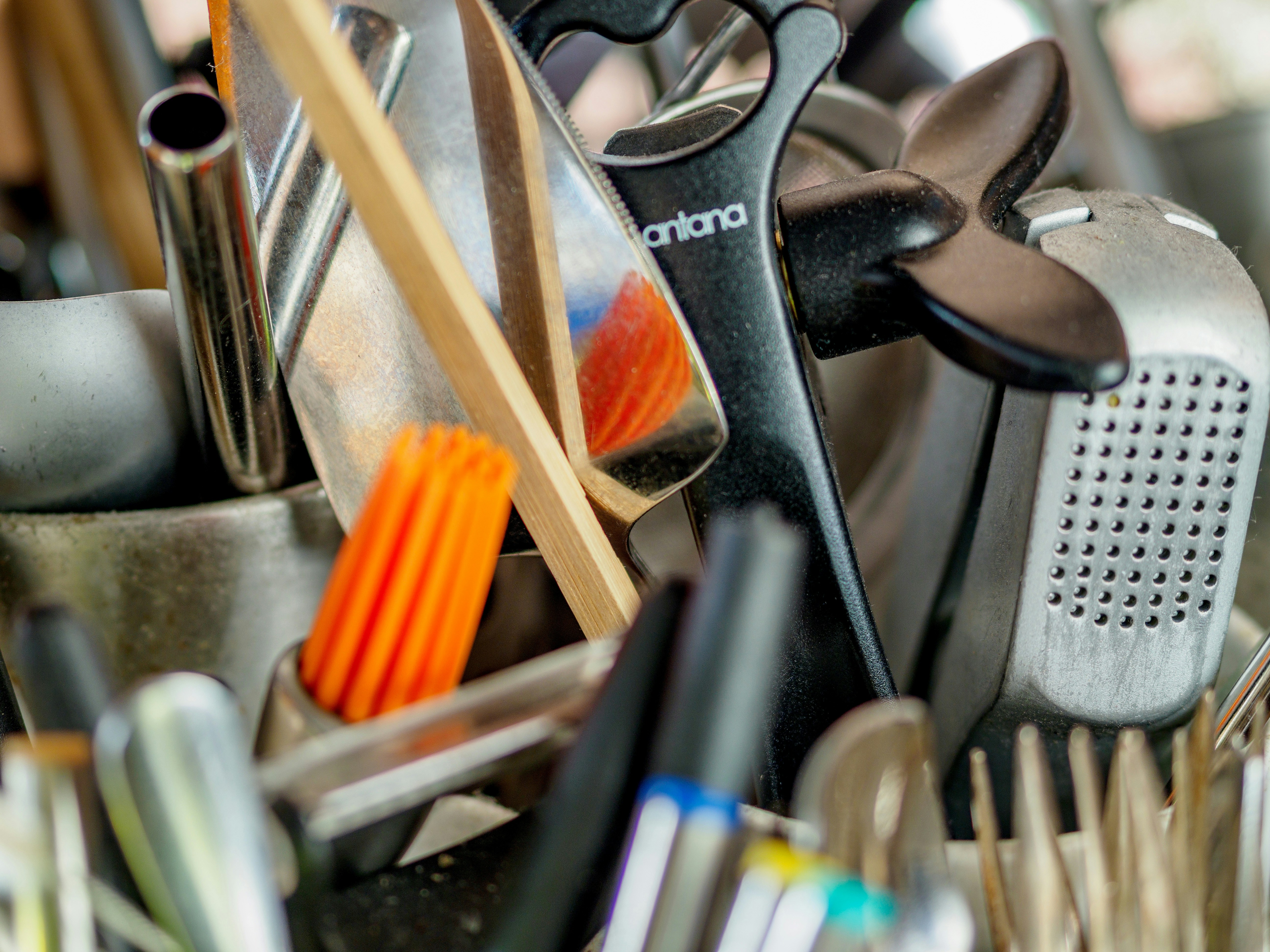
Top 20 Kitchen Tools That Every Enthusiast Cook Must Have

Top 20 Kitchen Tools That Every Enthusiast Cook Must Have

Introduction

Cooking is an art form that combines creativity with the practicality of using the right tools and techniques. For food enthusiasts and cooking aficionados alike, having the right kitchen tools is paramount to enhancing culinary experiences. The tools not only streamline the cooking process but also inspire innovation and creativity in the kitchen. From precision cutting to perfect mixing, the right kitchen cutlery and appliances can significantly impact the quality and enjoyment of the cooking process.

Every cooking enthusiast understands that the heart of a great meal starts with the essentials. By equipping themselves with the top 20 kitchen tools, these passionate cooks can tackle any recipe with confidence and ease. The essential tools enable efficiency, providing functionalities that simplify complex tasks and promote a seamless culinary workflow. Furthermore, the right equipment empowers an individual to focus more on the food and flavors, resulting in more delicious and satisfying meals.

This blog post has curated a comprehensive list of must-have kitchen cutlery and appliances that are essential for every cooking enthusiast. These items not only reflect practicality but also fuel the passion and creativity when experimenting with various culinary creations. As we delve into the top 20 things in the kitchen that every cooking enthusiast should consider, it is essential to balance functionality with inspiration, ensuring that each tool not only serves a purpose but also ignites the joy of cooking. Prepare to explore a world of culinary possibilities as we unveil an array of indispensable kitchen tools that cater to both novice cooks and seasoned chefs alike.

Chef’s Knife

The chef’s knife is often regarded as the cornerstone of essential kitchen tools, making it a must-have kitchen cutlery for any cooking enthusiast. With a broad blade that typically ranges from 8 to 10 inches, this versatile instrument is designed for a multitude of preparations, including slicing, chopping, and dicing different ingredients. Its ergonomic design enables the user to achieve precision with ease, enhancing both efficiency and safety in the kitchen.

When selecting the right chef’s knife, it is important to consider several factors. Weight and balance play crucial roles in the knife’s performance and comfort. A well-balanced knife feels comfortable in the hand, allowing the cooking enthusiast to maneuver it effortlessly, whether they are preparing vegetables or meats. Additionally, the material of the blade and handle should be evaluated; stainless steel provides durability and ease of maintenance, while high-carbon steel blades can offer finer edge retention.

Maintaining the sharpness of your chef’s knife is vital for optimal performance. Regular honing not only keeps the edge aligned but also reduces wear over time. It is advisable for cooking enthusiasts to invest in a good whetstone or professional sharpening service to bring back the edge when needed. For everyday tasks, proper cutting techniques should be adopted to minimize damage to the blade. Using a designated cutting board can also extend the life of the knife.

In conclusion, the chef’s knife is undeniably among the top 20 kitchen tools that every cooking enthusiast should possess. Its versatility and importance in various food preparations solidify its status as a foundational tool in any kitchen. By choosing the right knife and maintaining it properly, one can ensure a rewarding cooking experience.

Cutting Board

A cutting board is an essential kitchen tool and can be considered one of the top 20 kitchen tools for any cooking enthusiast. This fundamental item is indispensable for ensuring a clean and safe area for food preparation. Materials commonly used for cutting boards include wood, plastic, and bamboo, each offering distinct benefits that cater to various culinary tasks.

Wooden cutting boards are renowned for their durability and aesthetic appeal. They provide a sturdy surface that is gentle on knife edges, prolonging their sharpness. Furthermore, wood possesses natural anti-bacterial properties, making it a hygienic choice when properly cared for. Popular wood varieties for cutting boards include maple, walnut, and cherry, each contributing to the board’s unique character.

Plastic cutting boards are equally popular among cooking enthusiasts. They are lightweight, affordable, and typically dishwasher safe, making them easy to clean and maintain. Their non-porous surface can help reduce the transfer of bacteria; however, it is essential to replace them once they become deeply grooved or scratched, as these imperfections can harbor harmful pathogens.

Bamboo cutting boards are frequently chosen for their eco-friendliness, as bamboo is a highly renewable resource. They are less porous than wood, which reduces the likelihood of bacterial growth. However, they can be more challenging on knife edges compared to wood and plastic boards.

To extend the lifespan of any cutting board, regular maintenance is crucial. Oil wooden boards with food-safe mineral oil to prevent cracking and warping. For plastic and bamboo options, routine sanitation with hot soapy water or a vinegar solution can effectively manage bacteria. Adopting proper care practices will enhance the durability and usability of this pivotal kitchen tool. Every cooking enthusiast should prioritize a quality cutting board among the top 20 things in the kitchen for a successful culinary experience.

Cast Iron Skillet

The cast-iron skillet is considered one of the top 20 kitchen tools essential for any cooking enthusiast. Renowned for its exceptional heat retention and even heating properties, this versatile cookware is highly regarded by both professional chefs and home cooks alike. A cast-iron skillet allows for various cooking methods, including frying, baking, and searing, making it a vital addition to the kitchen.

One of the primary advantages of using a cast-iron skillet is its ability to withstand high temperatures. This quality makes it perfect for achieving a perfect sear on meats, while also being suitable for gently roasting vegetables in the oven. Moreover, cast iron skillets are known for their durability; with proper care, they can last a lifetime, spreading joy across generations of cooking enthusiasts.

A critical aspect of cast iron maintenance involves seasoning the skillet, which establishes a natural non-stick surface and prevents rust. This process not only enhances the cooking experience but also improves flavor as the skillet retains and distributes heat remarkably well. Regular seasoning of the skillet results in a deeper, more complex taste profile that can elevate any dish, making it a favored tool among foodies.

In addition, cast iron skillets can be used on various heat sources, including the stovetop, grill, and even over an open flame, providing unmatched flexibility in the kitchen. Its ability to transition from stovetop to oven with ease makes it a prime candidate for many of the top 20 things in the kitchen used by cooking enthusiasts. The blend of longevity, functionality, and flavor enhancement provided by a cast-iron skillet solidifies its status as a must-have kitchen cutlery.

Mixing Bowls

Having a versatile collection of mixing bowls is essential for any cooking enthusiast, as they perform various crucial tasks in the kitchen. From mixing ingredients to marinating food and even serving dishes, the right bowl can greatly enhance your cooking experience. The importance of investing in a set of mixing bowls that come in different sizes cannot be overstated. Each size serves a distinct purpose, allowing for greater convenience and efficiency during the prep work.

When it comes to materials, mixing bowls are available in glass, stainless steel, and ceramic, each offering its own set of benefits. Glass mixing bowls are particularly favored for their smooth surfaces, which make them easy to clean and ideal for preparing sauces or marinating meat due to their non-reactivity. They also allow you to see the ingredients clearly, which can be helpful for visual confirmation of consistency and mixing quality.

Stainless steel mixing bowls, on the other hand, are the choice of many cooking enthusiasts for their durability and lightweight nature. They are resistant to stains and odors, making them perfect for frequent use in various cooking tasks. Additionally, stainless steel bowls can double as a makeshift double boiler for melting chocolate or warming sauces when placed in simmering water.

Ceramic bowls, though heavier than their glass and metal counterparts, offer a beautiful presentation for serving meals. Many cooks value the aesthetics of ceramic, especially when hosting dinner parties. The weight of ceramic bowls also means they remain steady while mixing, providing stability during vigorous tasks.

Ultimately, a well-rounded selection of mixing bowls crafted from these materials is a must-have in every kitchen. They contribute to the efficiency and effectiveness of preparing your top 20 kitchen tools and appliances, further enabling food enthusiasts to indulge their passion for cooking.

Measuring Cups and Spoons

Precise measurement is crucial in both cooking and baking, especially for enthusiasts who strive for perfection in their dishes. Accurate measurements can significantly affect the consistency and flavor of the final product. This is where the right measuring cups and spoons come into play. They are essential components among the top 20 kitchen tools every cooking enthusiast must possess.

Measuring cups typically come in two varieties: dry and liquid. Dry measuring cups are designed for solid ingredients like flour, sugar, and brown sugar, allowing for volume measurement without packing the ingredient down. Conversely, liquid measuring cups are usually made of glass or plastic and often feature a spout for pouring, making them ideal for liquids such as milk, water, or oil. Using the appropriate type of measuring cup ensures that your volumes are correct and ultimately leads to better cooking outcomes.

When it comes to measuring spoons, these small yet vital tools allow for precision in adding spices, baking powder, and other seasoning components. Measuring spoons generally come in a set that includes standard sizes ranging from ¼ teaspoon to one tablespoon. To use them accurately, it is important to fill the spoon to the brim and level it off with a knife for dry ingredients. For liquids, it is advised to fill the spoon until the liquid is level with the edges.

Another best practice is to use separate measuring tools for wet and dry ingredients to avoid any cross-contamination that could affect other recipes. Overall, mastering the art of measurement not only enhances your technical skills but also helps in achieving desirable results when preparing meals. As you build your collection of the must-have kitchen cutlery, incorporating high-quality measuring tools will undoubtedly empower your culinary journey.

Whisk

Whisks are essential kitchen tools that every cooking enthusiast must have at their disposal. Their versatility allows for a multitude of applications, ranging from simple stirring to incorporating air into batters and sauces, thereby enhancing their texture and volume. A whisk can significantly improve the efficiency of various culinary tasks, making it a staple among the top 20 kitchen tools.

There are several types of whisks, each designed for specific uses. For instance, balloon whisks are characterized by their large, rounded shape and are perfect for whipping cream or egg whites, as they can efficiently trap air and enhance volume. On the other hand, flat whisks, often referred to as roux or sauce whisks, have a flatter shape that makes them ideal for mixing thick mixtures and scraping the sides of bowls and pans. Each type of whisk is tailored for distinct tasks, ensuring that every cooking enthusiast can achieve optimal results in their culinary ventures.

Moreover, there are also specialty whisks made from silicone or metal, designed for use with non-stick cookware and heat-resilient tasks. The choice between wire and silicon whisks can depend on the recipes at hand; a metal whisk may prove advantageous for tasks that require high heat, while silicone offers a non-scratch option for sensitive cookware. Given their extensive functionality, whisks can undoubtedly be included among the must-have kitchen cutleries, serving numerous purposes in meal preparation. Thus, they rank among the 20 appliances in kitchen tools that should not be overlooked by any food enthusiast.

Peeler

The peeler is a fundamental yet often understated tool in the kitchen, playing a critical role in food preparation for both amateur and professional cooks alike. Among the top 20 kitchen tools essential for every cooking enthusiast, the peeler enables quick and efficient peeling of fruits and vegetables, making it an indispensable asset in any culinary arsenal.

There are primarily two types of peelers available in the market: the straight peeler and the Y-style peeler. The straight peeler features a straight blade and is typically employed for peeling softer fruits and vegetables, such as tomatoes and peaches. This design offers greater control for intricate peeling tasks. In contrast, the Y-style peeler has a horizontally oriented blade that allows for more ergonomic handling, making it ideal for peeling larger items like potatoes and carrots quickly.

When selecting the right peeler, comfort and ease of use should be top considerations. Look for peelers with ergonomic handles that can cushion your grip, especially during prolonged cooking sessions. Additionally, consider the material of the blade; stainless steel is often preferred due to its durability and resistance to rust. Weight is another factor: a well-balanced peeler that isn’t too heavy or light can significantly enhance user experience.

For enthusiasts passionate about maximizing their culinary skills, having a high-quality peeler can streamline the process of preparing various dishes, from simple salads to intricate gourmet meals. Keep an eye out for peelers that offer a combination of functionality and comfort, as the right choice can improve efficiency in the kitchen, ultimately making the joy of cooking even more delightful.

Tongs: A Versatile Kitchen Essential

Tongs are among the top 20 kitchen tools that every cooking enthusiast must have in their kitchen. Their unique design makes them invaluable for a variety of cooking tasks, including flipping items on the grill, serving salads, and sautéing vegetables. This multifunctionality is what elevates them from a simple utensil to a must-have kitchen cutlery.

When selecting tongs, it’s important to consider the materials from which they are made. Stainless steel is highly durable and resistant to rust, making it ideal for cooking. However, silicone-tipped tongs have gained popularity among foodies due to their non-stick properties and heat resistance. This feature makes them suitable for use with non-stick cookware, avoiding any potential damage.

Length is another factor to think about when choosing the right tongs. Standard tongs range anywhere from 9 to 16 inches. Shorter tongs provide more control and are better for smaller tasks, while longer tongs are advantageous when dealing with hot foods, allowing you to maintain a safe distance from heat sources.

When looking for the perfect pair, consider features such as locking mechanisms for convenient storage and ease of use, and ergonomic grips that enhance comfort during handling. Some top 20 things in the kitchen can easily become your go-to tools, and a good pair of tongs is certainly one of them. Ideally, they should be dishwasher safe for easy cleaning, thus adding to their appeal in the kitchen.

In conclusion, incorporating high-quality tongs into your collection of 20 appliances in the kitchen will significantly enhance your cooking experience. Their versatility and handy design cater to various culinary needs, making them indispensable for any food enthusiast.

Food Processor

The food processor is undeniably one of the top 20 kitchen tools that every cooking enthusiast should have in their kitchen arsenal. This versatile appliance tackles various food preparation tasks, significantly enhancing efficiency and providing an opportunity for creativity in cooking. With its ability to chop, slice, shred, and purée ingredients, a food processor can transform a time-consuming process into a seamless task, making it an indispensable tool for both amateur chefs and seasoned culinary experts.

When selecting a food processor, it is essential to consider capacity, power, and the types of attachments that come along with it. The capacity generally varies from compact models of about 3 cups, suitable for smaller households or those with limited counter space, to larger options that can handle 16 cups or more, ideal for batch cooking or entertaining. Additionally, the power of the motor is critical; a robust motor ensures that tougher ingredients like nuts and fibrous vegetables can be processed without any trouble.

Moreover, various attachments, such as slicing discs, shredding blades, and even dough blades, can broaden the functionalities of your food processor, making it even more valuable in your kitchen. For example, using the slicing disc, you can quickly prepare vegetables for salads or stir-fries, while the shredding blade can turn cheese into perfect shreds for toppings or baking. When aiming to whip up sauces or dips, the purée function of the food processor can create smooth textures with ease.

In conclusion, investing in a high-quality food processor not only streamlines food preparation but also expands your culinary horizons. It empowers food enthusiasts to experiment with diverse recipes, making it one of the must-have kitchen cutlery items for anyone passionate about cooking. From homemade hummus to fresh salsa, the applications are endless, showcasing why it is a staple among the top 20 things in the kitchen.

Conclusion

In this exploration of the top 20 kitchen tools that every cooking enthusiast must have, we have highlighted the essential cutlery and appliances that significantly enhance your cooking experience. From versatile knives and efficient cutting boards to specialized gadgets and appliances, these must-have kitchen tools form the backbone of a well-equipped culinary space. By investing in quality items, both novice and experienced chefs can unlock their full potential and experiment with creativity in their cooking endeavors.

The selection of tools not only makes cooking more efficient but also elevates the overall enjoyment of the process. When equipped with the right appliances, from the essential 20 tools and appliances that every cooking enthusiast has in their kitchen, you can easily transform simple ingredients into impressive dishes, delighting yourself and others. This array of top 20 things in the kitchen provides the foundation for realizing your culinary aspirations.

Ultimately, the journey of being a foodie requires embracing the joy of cooking through the right set of tools. Whether you are whipping up a quick weeknight meal or hosting a lavish dinner for friends, having access to these essential kitchen items will ensure a rewarding and enjoyable experience. It is important to remember that quality tools serve not only as instruments for preparation but also as facilitators of inspiration in the kitchen. Equip your cooking space with these indispensable cutlery and appliances to embrace the culinary adventure fully.

Authentic Italian-Style Pizza at Home – Microwave Magic in 10 Minutes on RecipeBuzz!

RecipeBuzz! microwave pizza slice with cheese and toppings.

Craving that wood-fired Italian pizza crust with gooey mozzarella and fresh toppings, but no oven in sight? At RecipeBuzz!, your go-to spot for quick Indian kitchen hacks, we’ve got you covered! Whip up an authentic Italian pizza right in your microwave using simple pantry staples. This hack delivers a crispy base, tangy tomato sauce, and melty cheese without the fuss. Perfect for busy weeknights or snack attacks. Ready to channel your inner pizzaiolo? Let’s dive in!

Why Microwave Pizza Works (And Tastes Italian!)

Traditional Neapolitan pizza uses high-heat ovens for that leopard-spotted crust. Microwaves can’t fully replicate it, but with a clever tortilla base and quick crisping trick from RecipeBuzz!, you’ll get close – soft inside, crisp outside. Pro tip: Use quality ingredients like San Marzano-style tomatoes and real mozzarella for that authentic Italian pizza flavor. Total time: 10 minutes. Serves: 1-2.

Ingredients for Your Microwave Pizza

Click on the ingredients to add them to your Amazon cart:

Step-by-Step: How to Make Microwave Pizza

Follow these easy RecipeBuzz! steps for pizza perfection.

  1. Prep the Base: Place the tortilla on a microwave-safe plate. Poke a few holes with a fork to prevent sogginess.
  2. Make Quick Sauce: Mix tomato puree, oregano, garlic powder, and salt in a bowl. Spread evenly over the tortilla, leaving a ½-inch border for the crust.
  3. Load Toppings: Sprinkle ⅓ of the cheese first (it acts as glue). Add your meats, veggies, and the rest of the cheese on top. Drizzle with a tiny bit of olive oil for shine.
  4. Microwave Magic: Cook on high for 2-3 minutes (watch closely – cheese should bubble and base crisp). For extra crunch, cover with another plate upside down for the last 30 seconds to steam-crisp.
  5. Rest & Garnish: Let it sit 1 minute. Tear fresh basil, sprinkle chili flakes, and slice. Buon appetito!

Tips for the Most Authentic Italian Pizza

  • Crust Hack: Brush edges with olive oil pre-microwave for golden crispiness.
  • Cheese Secret: Mix in a bit of parmesan for nutty depth.
  • Indian Fusion: Swap pepperoni for paneer tikka bits or add schezwan sauce for desi heat – a RecipeBuzz! favorite.
  • Scale Up: Make 2-3 at once on a larger plate, but rotate halfway.
  • Avoid overcooking – microwaves vary, so test with 90 seconds first.

This microwave Italian pizza recipe from RecipeBuzz! is a game-changer for hostels, small kitchens, or lazy evenings. Crispy, cheesy, and loaded with flavor – it’ll rival your favorite pizzeria!

Tried our RecipeBuzz! recipe? Share your pics in the comments or tag @Recipes.Buzz on Instagram, TikTok, or Facebook! What’s your go-to topping? Subscribe for more quick recipes!

RecipeBuzz! Paella: Spanish Seafood & Meat Feast

Paella, a Spanish Dish.

Paella transports you straight to a sunny Spanish fiesta right in your own kitchen. This vibrant mixed paella combines golden saffron rice with tender chicken, smoky chorizo, and fresh seafood for the ultimate shareable feast that serves 6 hungry RecipeBuzz! readers.

Why This Paella Rocks RecipeBuzz!

Perfect for weekend gatherings, Diwali parties, or when you want to impress without spending all day cooking. The magic happens when the rice gets crispy on the bottom (called socarrat) while staying perfectly tender throughout.

Ingredients (Serves 6)

CategoryItems
Proteins300g chicken thighs (cubed), 200g chorizo (sliced), 200g shrimp (peeled), 200g mussels (cleaned), 150g squid (rings)
Rice & Base2 cups bomba rice, 1 tsp saffron threads, 4 cups chicken/fish stock
Veggies1 onion (diced), 1 red bell pepper (sliced), 2 tomatoes (grated), 3 garlic cloves (minced), ½ cup peas, a handful of green beans
Seasonings2 tsp smoked paprika, salt, pepper, olive oil, lemon wedges
RecipeBuzz! TwistOptional: ½ tsp garam masala for Indian fusion magic

Step-by-Step RecipeBuzz! Magic

1. Brown the meats
Heat ⅓ cup olive oil in a wide paella pan over medium. Brown chicken and chorizo for 5-7 minutes until golden. Remove and set aside.

2. Make the sofrito base
In the same pan, sauté onion, garlic, and bell pepper for 3 minutes. Add grated tomatoes, paprika, and saffron (+ garam masala if using). Cook 5 minutes until thick and fragrant.

3. Toast the rice
Add rice and stir 2 minutes to coat every grain in that amazing flavor. Pour in hot stock. Return the chicken/chorizo to the pan.

4. The no-stir rule
Simmer uncovered on medium-low for 15 minutes. Don’t stir! This creates the crispy socarrat bottom.

5. Add seafood finale
Nestle shrimp, mussels, squid, peas, and beans on top. Cook 5-7 more minutes until seafood is done and liquid absorbed.

6. Rest & serve
Remove from heat. Rest 5 minutes covered with foil. Garnish with parsley and lemon wedges. Serve family-style!

RecipeBuzz! Pro Tips

  • Rice matters: Bomba rice absorbs 3x its volume without getting mushy. (Amazon Associates link opportunity!)
  • Pālghar twist: Swap squid for local tiger prawns
  • No paella pan? Use your widest skillet
  • Saffron hack: Crush threads between fingers before adding
  • Outdoor cooking: Gas burner + paella pan = restaurant-level smokiness

Prep Time: 20 mins | Cook Time: 40 mins | Difficulty: Medium

Perfect Pairings

  • Aioli or garlic mayo
  • Crisp Albariño or rosé
  • Simple green salad
  • Crusty bread for scooping

Calling All RecipeBuzz! Cooks!

This paella turns any meal into a celebration. The golden rice, colorful seafood, and lemon brightness make it Instagram gold.

Tag @RecipeBuzzIndia when you make it — we feature our favorites! Perfect for weekend entertaining, family feasts, or showing off your cooking skills.

What’s your favorite fusion twist? Drop it in the comments!


Save this recipe for your next gathering. Your family will thank you! ❤️

Classic Oven‑Baked Chocolate Brownies for Brownie Lovers

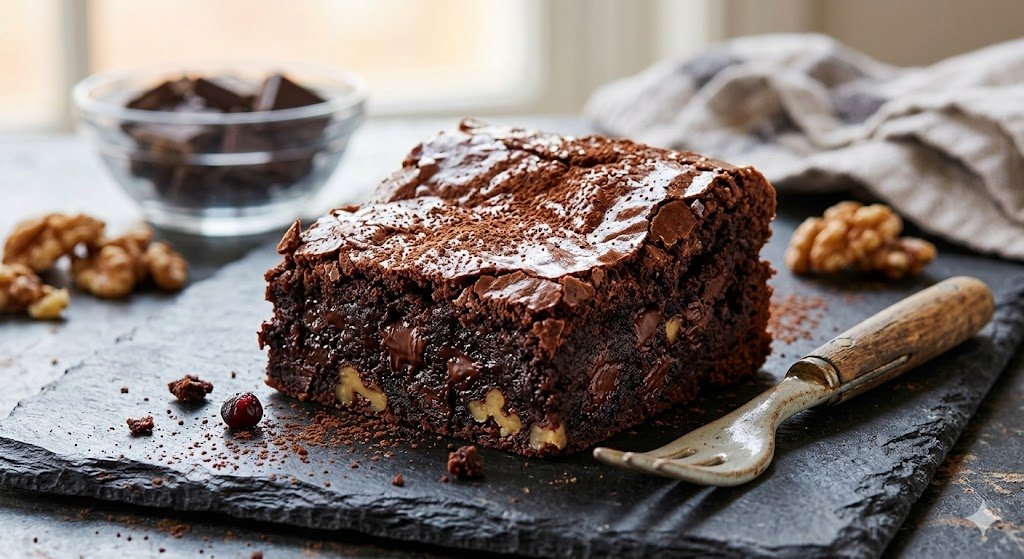
Chocolate Brownie

Nothing beats a warm, fudgy chocolate brownie fresh from the oven. This oven‑only chocolate brownie recipe is designed for home bakers who love rich, decadent desserts but still want a simple, straightforward method. On RecipeBuzz!, we keep things easy, tasty, and real‑kitchen‑friendly, and this brownie fits that vibe perfectly.


Why This Recipe Works

  • Uses basic pantry ingredients you likely already have.
  • Gives you that classic brownie texture—crackled top, soft center, and fudgy interior.
  • Can be doubled easily for parties, gifts, or weekend baking.

Ingredients (8‑inch square pan, about 9–12 brownies)

(Click on the ingredients to add them to your Amazon cart!)

Optional add‑ins:


Step‑by‑Step: Oven‑Baked Chocolate Brownies

1. Preheat and prep

  • Preheat your oven to 175–180°C (350°F).
  • Line an 8‑inch square baking tin with parchment paper or lightly grease it with butter so the brownies slide out easily.

2. Melt butter and chocolate (wet base)

  • In a small saucepan or microwave, melt the butter.
  • Add most of the chocolate chips (reserve a few for topping) and stir until smooth and glossy.
  • Let it cool slightly so it doesn’t cook the eggs.

3. Mix sugar, eggs, and vanilla

  • In a bowl, whisk the sugar, eggs, and vanilla extract until just combined and slightly frothy.
  • Stir in the warm chocolate‑butter mixture and mix until smooth.

4. Add dry ingredients

  • Sift in the flour, cocoa powder, and salt.
  • Gently fold until there are no dry streaks. Don’t overmix, or the brownies can turn cakey.
  • Fold in remaining chocolate chips and any nuts or add‑ins.

5. Bake to perfection

  • Pour the batter into the prepared pan and spread it evenly.
  • Bake in the preheated oven for 20–25 minutes, depending on your oven and how fudgy you like them.
    • For very fudgy, aim for 20–22 minutes; a toothpick should come out with a few moist crumbs.
    • For slightly more cake-like, go closer to 25 minutes with a cleaner toothpick.

6. Cool and slice

  • Let the brownies cool in the pan for 15–20 minutes, then lift them out using the parchment.
  • Cool a bit more before slicing into squares for clean, neat pieces.

Serve warm or at room temperature with:

  • A scoop of vanilla ice cream
  • A drizzle of melted chocolate
  • A dusting of powdered sugar or cocoa

Tips for Perfect Brownies

  • Use good-quality dark chocolate for a richer flavor.
  • For extra fudgy texture, slightly under‑bake and let the residual heat finish the job.
  • If you like a crackled top, whisk the sugar and eggs a little longer until they’re light and slightly fluffy before adding the butter‑chocolate mixture.

Variations Brownie Lovers Will Enjoy

  • Nutty Chocolate Brownies: Add chopped walnuts, pecans, or almonds for crunch.
  • Orange‑Chocolate Brownies: Add a teaspoon of orange zest to the batter for a bright, citrusy twist.
  • Double‑Chocolate Brownies: Mix in extra chocolate chips or chunks for an even more indulgent treat.

This recipe is ideal for RecipeBuzz! readers who love classic desserts made easy—perfect for Indian home kitchens and brownie lovers everywhere.

Heavenly Rabdi: A Dessert That Opens Heaven’s Gates

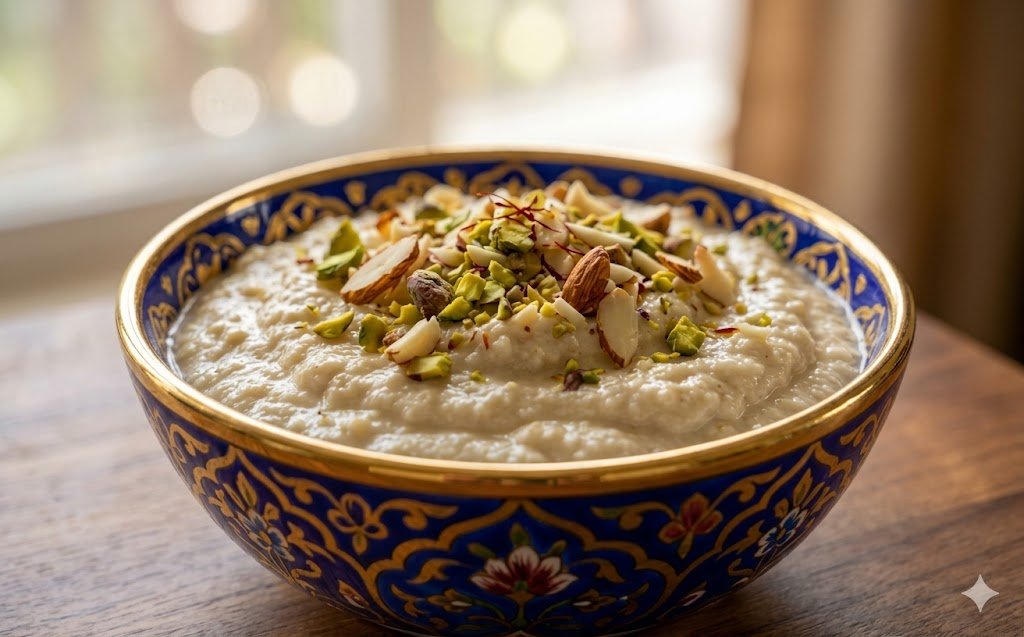
Rabdi/Rabri

Rabdi, also known as rabri, is a luxurious Indian dessert made by slow-cooking milk until it thickens into a creamy pudding layered with malai (clotted cream). Its divine sweetness, infused with cardamom and saffron, truly feels like it unlocks heavenly bliss—perfect for festivals or any indulgent treat on your RecipeBuzz! blog.

What Makes Rabdi Special

Rabdi stands out for its rich texture from reduced milk, flavored subtly with nuts, saffron, and cardamom for an aromatic finish. Traditionally time-intensive, it rewards patience with strands of cream that melt in your mouth. Serve chilled with jalebi, malpua, or plain for pure indulgence.

This close-up shows the signature creamy layers and nut garnish that define authentic rabdi.

Ingredients (Serves 4-6)

Click on the ingredients if you don’t have them handy.

Use a wide, heavy-bottomed pan to encourage cream formation.

Step-by-Step Recipe

Rabdi with jalebi. 

  1. Pour milk into the pan and bring to a boil over medium heat, stirring to prevent scorching.
  2. Reduce to low heat and simmer for 1–2 hours, stirring occasionally and scraping the malai/cream from the sides back into the milk.
  3. Milk will reduce to 1/3-1/2 volume, turning pale yellow with thick cream layers—patience is key here.
  4. Add sugar, saffron milk, and cardamom; stir gently for 10-15 minutes until sugar dissolves and flavors meld.
  5. Mix in half the nuts; cool; refrigerate for 4-6 hours; then garnish with the remaining nuts before serving.

For an instant version, use paneer with cream to mimic the texture in under 30 minutes, ideal for busy days.

Serving Tips

Chill rabdi overnight for the best texture; top with silver varq for festive flair. Pair with falooda or pooris for a complete dessert experience that elevates any meal on RecipeBuzz! Store in the fridge up to 3 days, stirring before serving if needed.